 406-549-3323
Montana is known for its natural beauty and diverse wildlife. Which is why so many people travel from other states to visit our national parks. While the scenery may be breathtaking, accidents and injuries happen. Whether it is a car accident or an unkept park facility, injuries at national parks are treated a little differently. Which is why having an attorney to help you through the process can make a large difference.
Yearly Visitors
Montana has 2 national parks in the state, Glacier and Yellowstone. While the majority of Yellowstone is located in Wyoming, it still brings tourism into Montana. According to the National Park Service, in 2024 Yellowstone National Park had 4,744,353 visitors. While Glacier had 3,208,755 visitors.
Car Accidents
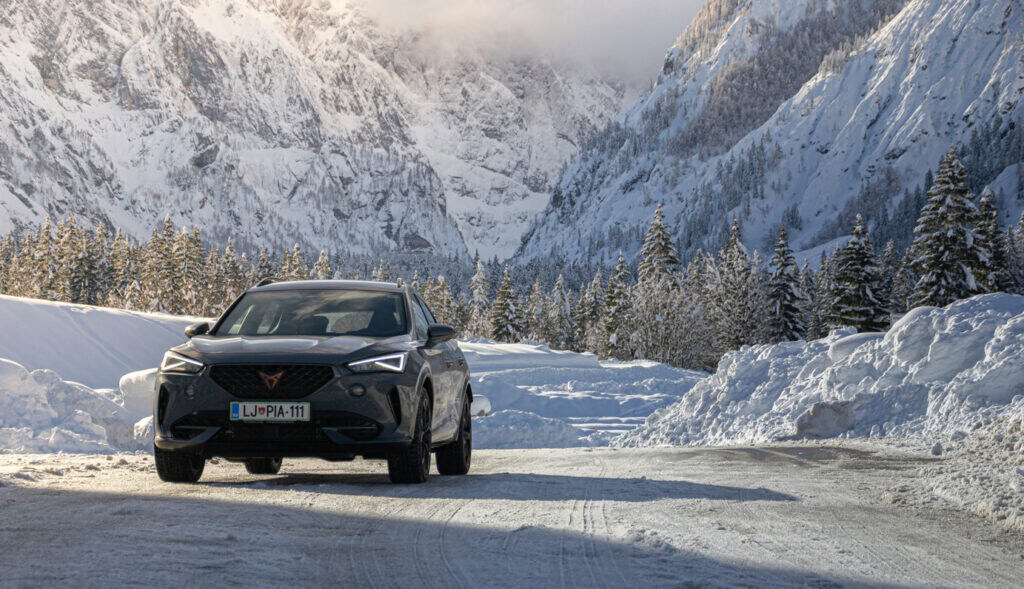
Considering the number of yearly visitors, there are many cars on the roads in the parks. More people means more risk, especially considering these roads are unfamiliar to them. Be very vigilant on the roads for other cars, pedestrians, and rangers. However, if you are involved in a car accident it is important you know how to proceed. See our earlier blog “Navigating the Aftermath of a Car Accident” for more information on what to do after a collision.
National parks are overseen by the federal government so park rangers fill the role of law enforcement. They will likely be the responding party upon notification of an accident or injury. They will help you and any other involved party get medical attention, if needed.
However, it is not only others on the road that you need to be watchful of. National Parks attract many hikers, bikers, and pedestrians in general. Injuries arising out of motor vehicle v. pedestrian collision can be very severe or even fatal. Being aware of your surroundings can save your life and the lives of others.

Other Types of Injuries & Incidents
National Parks are full of hiking trails, lookouts, attractions, etc. All of which are outdoors and can easily be impacted by the elements. The wear and tear of nature can be quick and drastic. This unfortunately can lead to unanticipated holes, hidden tree roots, broken stairs or railings and other dangers. Each of these can lead to trips and falls which could result in multiple different injuries.
The National Park Service (NPS) is responsible for park maintenance and management. The management policy 9.1.4.1 gives clear directions for upkeep of park maintenance. The NPS will conduct a program of preventative and rehabilitative maintenance to:
- Provide a safe, sanitary, environmentally protective, and esthetically pleasing environment for park visitors and employees.
- Protect the physical integrity of facilities.
- Preserve or maintain facilities in their optimum sustainable condition to the greatest extent possible.
If the NPS fails to uphold these policies, injuries can become quite common and potentially severe. If you are hurt while at a National Park it is important that you report it to the park rangers. They will help get you to medical personnel safely. Additionally, your report will notify the park staff that maintenance is needed to avoid further injuries.
Federal Jurisdiction
Jurisdiction regarding claims filed for injuries that occur in National Parks can be tricky. The federal government is responsible for the safety within national parks. However, claims against the government for injuries sustained must meet certain characteristics. For example, if a car suddenly swerved and hit you in the park that would be a state-level claim. This is because neither party involved was a federal employee and the accident wasn’t caused by a federal employee. However, if the other driver was a park ranger then the claim would be federal.
In federal jurisdiction, the defendant is the United States and the claim is filed under the Federal Tort Claims Act. As stated in 28 U.S.C. § 2672, claims against the U.S. will be considered if the claim was a result of the “negligent or wrongful act or omission of any employee of the agency while acting within the scope of his office or employment . . .” This applies to both injury and property damage claims. The U.S. Office of Personnel Management clearly states what the claimant must demonstrate:
- He or she was injured, or his or her property was damaged by a federal government employee.
- The employee was acting within the scope of his or her official duties.
- The employee was acting negligently or wrongfully.
- The negligent or wrongful act proximately caused the injury or damage of which he or she complains.
As you can see there is a clear distinction between claims in federal vs. state jurisdiction. While it may seem straightforward, that is not always the case. Having an experienced attorney help you through this process can make everything go much smoother.
If You’re Injured in a National Park
If you are unfortunately injured in a National Park in Montana, contact a trusted attorney for assistance. These injuries can result in complicated claims so an attorney with experience can help navigate and maximize your claim. Contact Rasmusson Law Offices, PLLC for a free consultation at 406-549-3323 if you were injured.
