 406-549-3323

 Back to all posts
As smart vehicle and autopilot technology becomes more common on the roads, so do legal questions. The courts are having to deliberate details surrounding fault, liability, and accountability when accidents do occur. Unfortunately, technology isn’t perfect and accidents still occur.
Technology vs. Human Error: Who’s Responsible?
The recent Benavides v. Tesla case is a stark example of the complexities we now face. In this 2019 crash, a Tesla operating on Autopilot struck and killed a woman and seriously injured her boyfriend. This landmark case raises many questions. But mainly, when smart technology is involved, how much responsibility should fall on the driver vs. the manufacturer? We can likely expect to see more cases revolving around this question in the future. The Insurance Journal provides a great look into the details of the Benavides case.
What Drivers Need to Know
Modern day vehicles store extensive data during every drive about braking, steering inputs, driving automation systems activation, etc. This data can be crucial in defending yourself if you’re involved in a crash. Automobile manufacturers including Tesla provide instructions on how to access or request this information. Unfortunately, many drivers aren’t aware of their rights or the steps they should take after an accident.
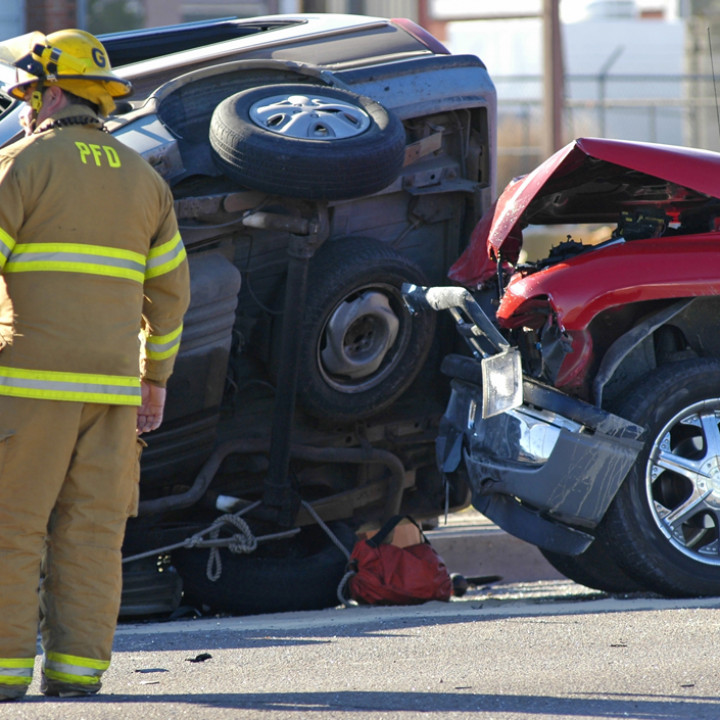
Tips to Protect Yourself as a Driver
- Never drive distracted, even when the driving automation system is engaged. While these systems are improving, operating a motor vehicle still requires your full attention.
- Contact a lawyer immediately if you’re in an accident.
- Request your vehicle’s crash data from the company.
If the manufacturer refuses or claims the data is unavailable, contact an expert about accessing the SD card within the vehicle. This card should contain information regarding the computer system of the car. This information may be vital in showing whether the crash resulted from human or system error, or both.
Why This Matters
With more smart cars on the road, understanding how they work and the legal implications involved is essential for everyone. Accidents involving automated cars are handled differently than traditional cars, whether you’re driving one or sharing the road with one.
In many cases, insurance companies may write off a traditional vehicle as a total loss. With a smart vehicle, preserving the car post-accident can help prove whether you were at fault or whether technology failed you.
Additionally, until the technology is perfected many new cars now include “steering assist” or “lane keeping assist” programs. Improper use of this technology can likely lead to motor vehicle collisions as well.
That’s Why It’s Critical To:
- Know your rights as a smart car owner.
- Understand the risks involved with new driving technology.
- Be prepared with legal support in the event of an accident.
- Keep your eyes on the road regardless of smart driving technology.
The Future of Driving and Liability
As vehicle automation continues to advance, we may soon be riding in cars that float or drive themselves completely. But one thing won’t change: accidents will still happen, and legal accountability will remain a complex, evolving issue.
Smart cars may reduce some accidents, but they are not a free pass to check out behind the wheel. Whether you’re driving a smart vehicle or find yourself hit by one, the legal terrain is new. It’s essential to have an attorney who understands the intersection of law and technology.
Stay safe. Stay alert. Never assume that autopilot means you’re off the hook. Paying attention to the road could save your life.
If you’ve been involved in a smart vehicle crash, as a driver or another motorist, contact a lawyer who specializes in emerging vehicle technology like Rasmusson Law Offices, PLLC, at attorneys@rasmussonlaw.com or (406) 549-3323.